A severe storm in Withernsea last night does not show any signs of abating, although this morning there’s not quite as much rain. Our Bnb is the last house on the promenade, with nothing in front of it to stop the gale force wind pounding the leaky front windows – needless to say we didn’t get a lot of sleep. Bracing ourselves for the short walk over to the cliff top, our minds are quickly made up as to which way to go – there is no footpath along the cliff edge and even if there was, I would not be taking any chances with such a ferocious headwind.
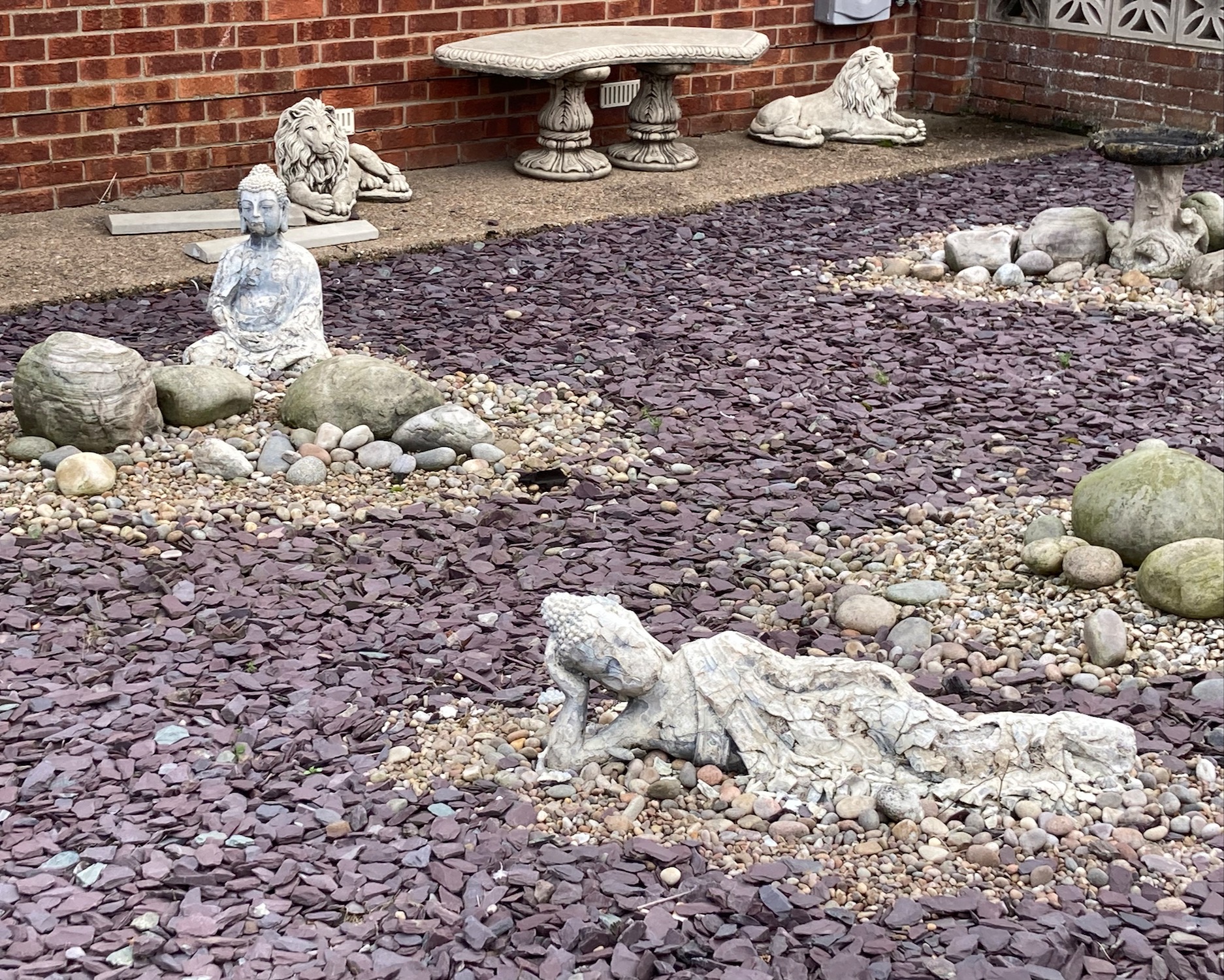
Turning inland through residential streets offers a moment of calm – I have time to wonder at what people do with their front gardens.
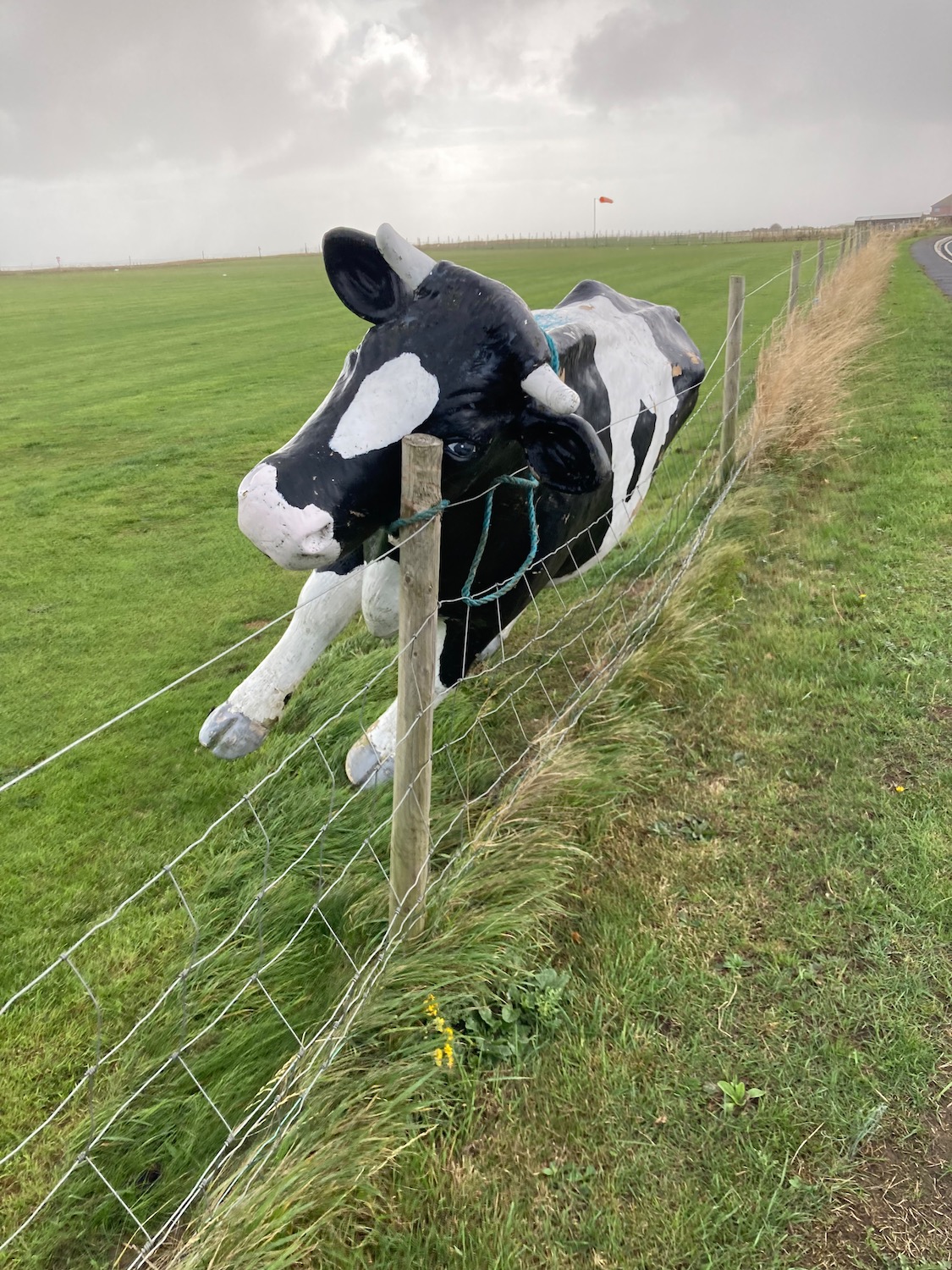
We then head for the minor road that runs south and parallel with the coast, No idea what this cow is advertising but it will need a bit of straightening up when the wind calms down.
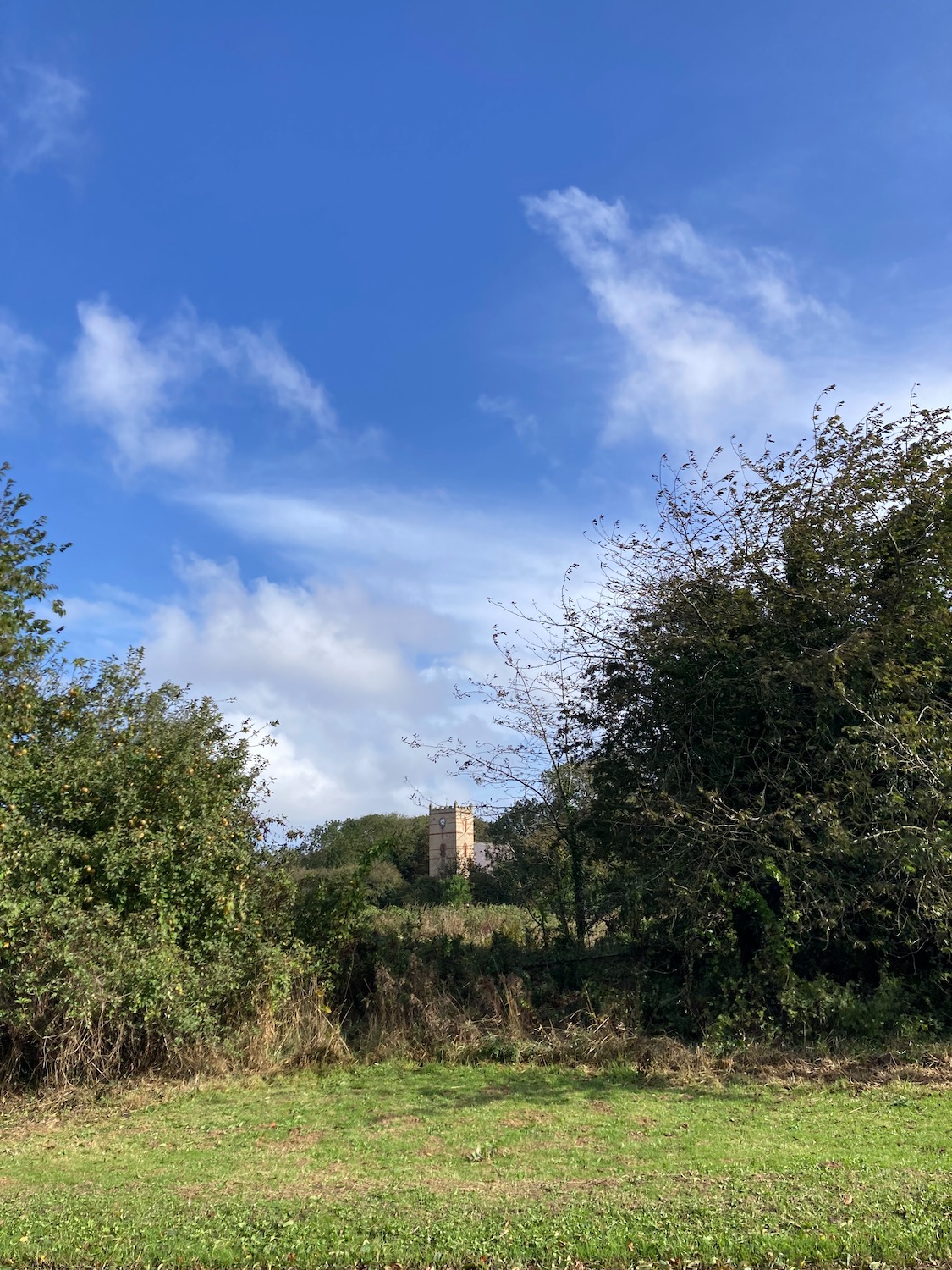
After a mile or so of road walking the sky has brightened and it is a little less windy – The tower of Holmpton Church can be seen above the trees to the right of us.
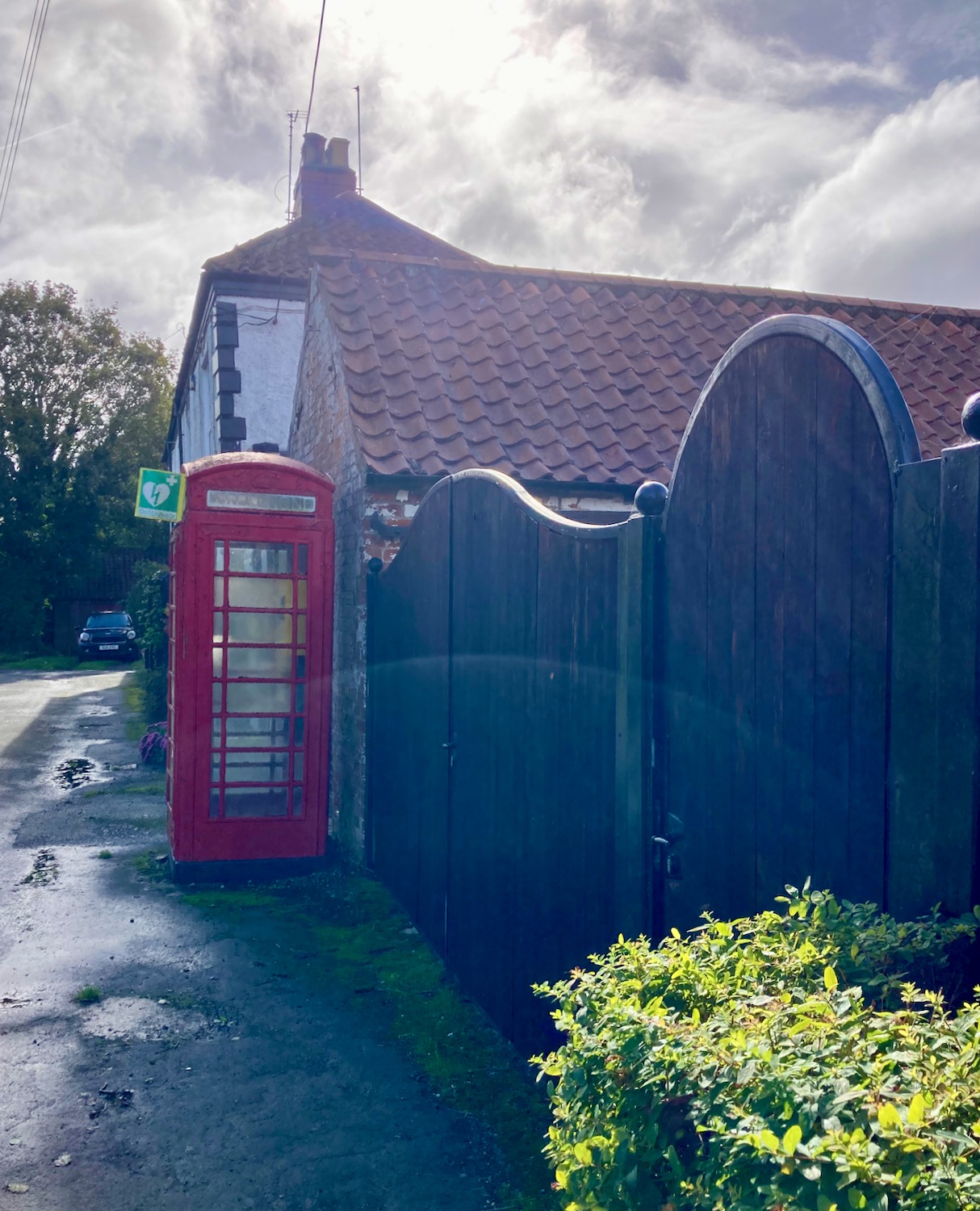
And now we’ve reached the village which doesn’t seem to have much of a centre, and can only boast of yet another dead pub – it does have a working telephone box though.
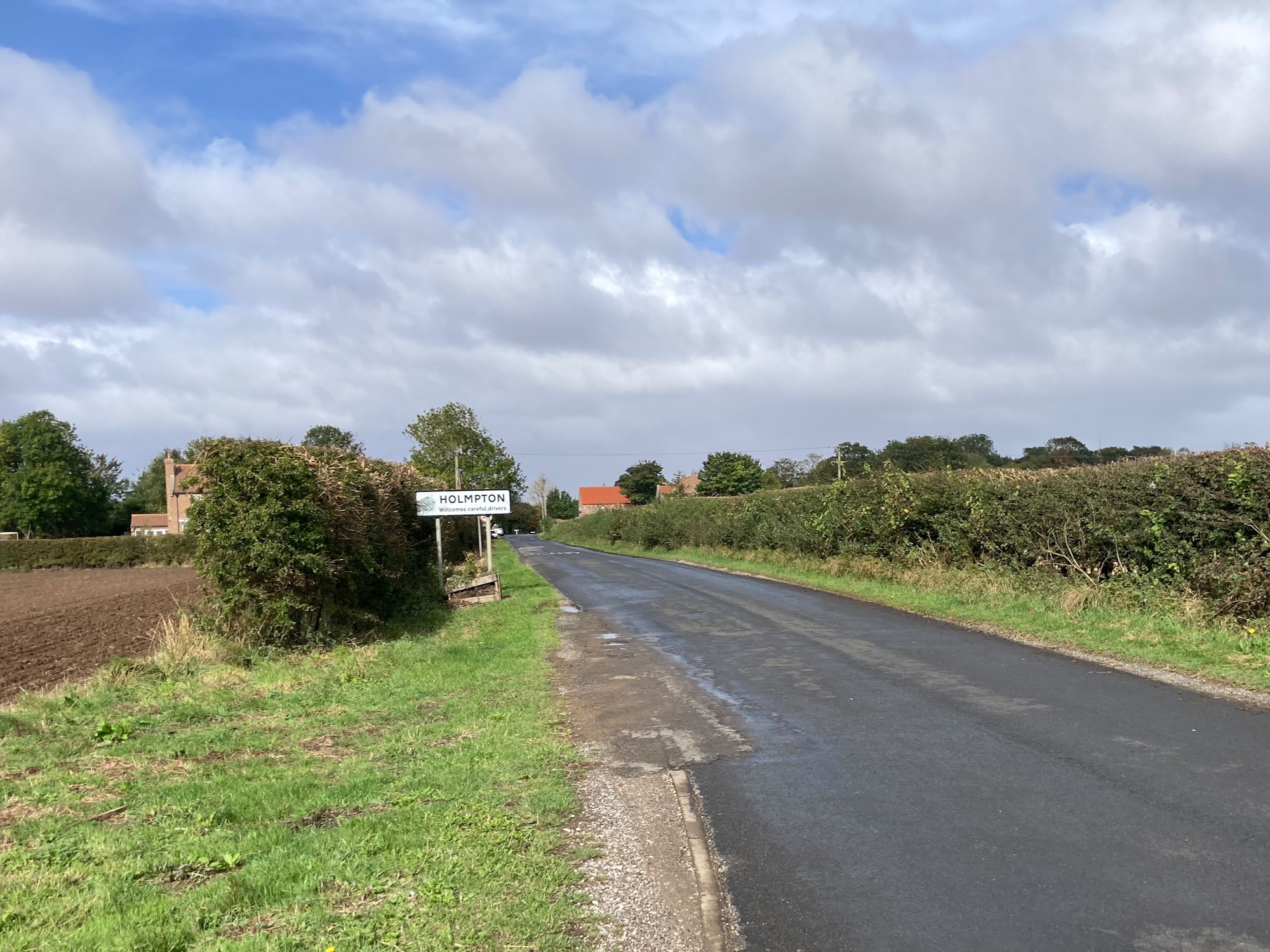
We carry on along the road, leaving Holmpton behind – the wind has changed direction to behind us and we are practically skipping along the road.
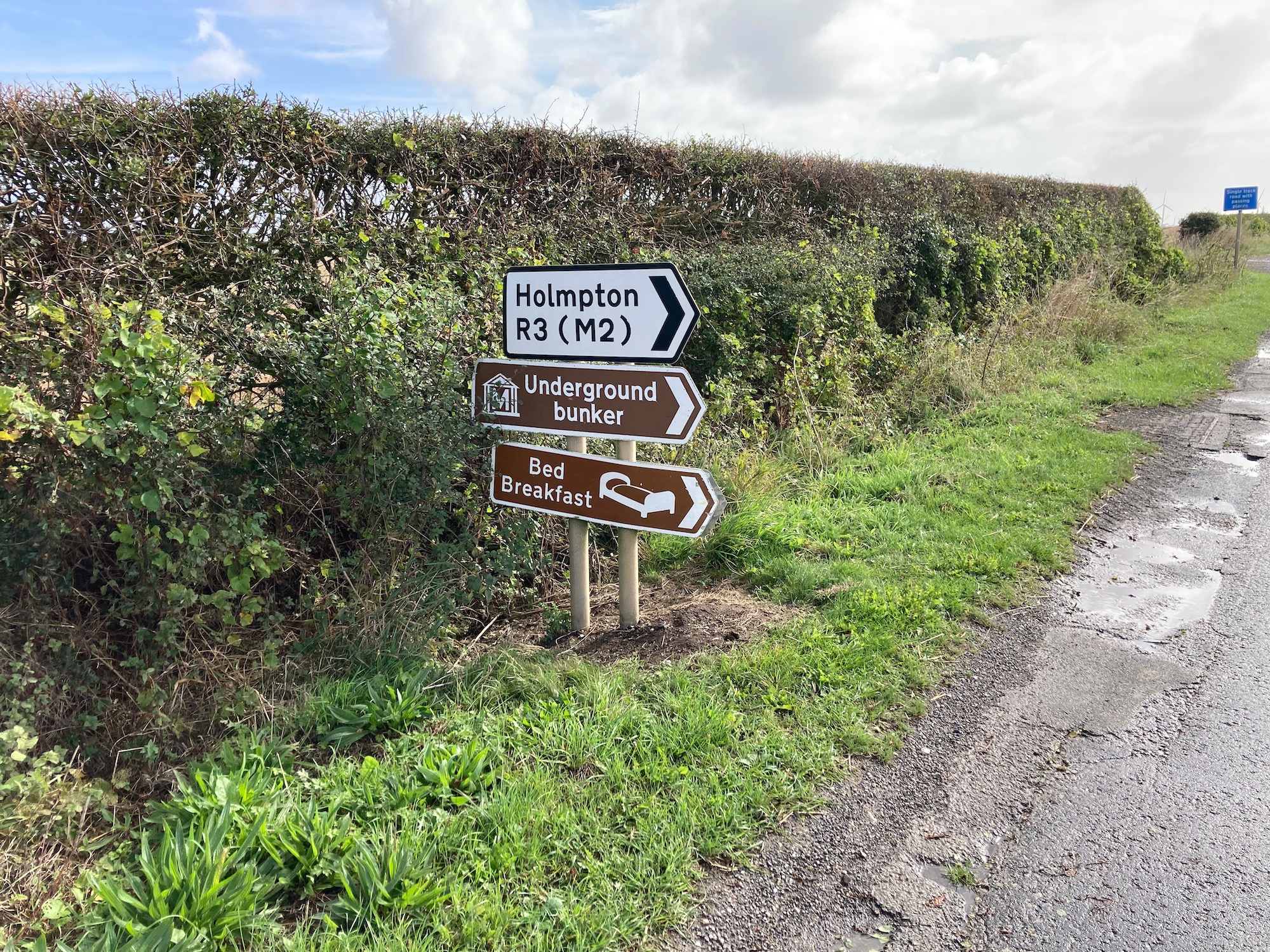
Just south of the village lies RAF Holmpton, a Cold War era nuclear bunker, built in the 1950’s. It is now in private hands and run by volunteers.
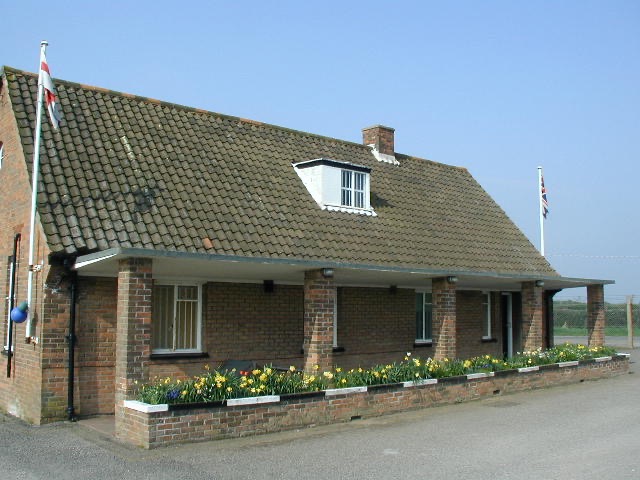
This picture is from the net showing the guardroom, which conceals the entrance to the bunker. I remember going to visit one of these bunkers in Essex many years ago and from the outside it looked like a very ordinary bungalow. However, underground was anything but ordinary. Moving through the gloom of the various operation rooms was an eerie experience, particularly as a series of very lifelike mannequins were used to represent the military and civilian personnel. Who were these people charged with organising the survival of the population in the aftermath of a nuclear war? Would they have succeeded? And who would have been the chosen ones?
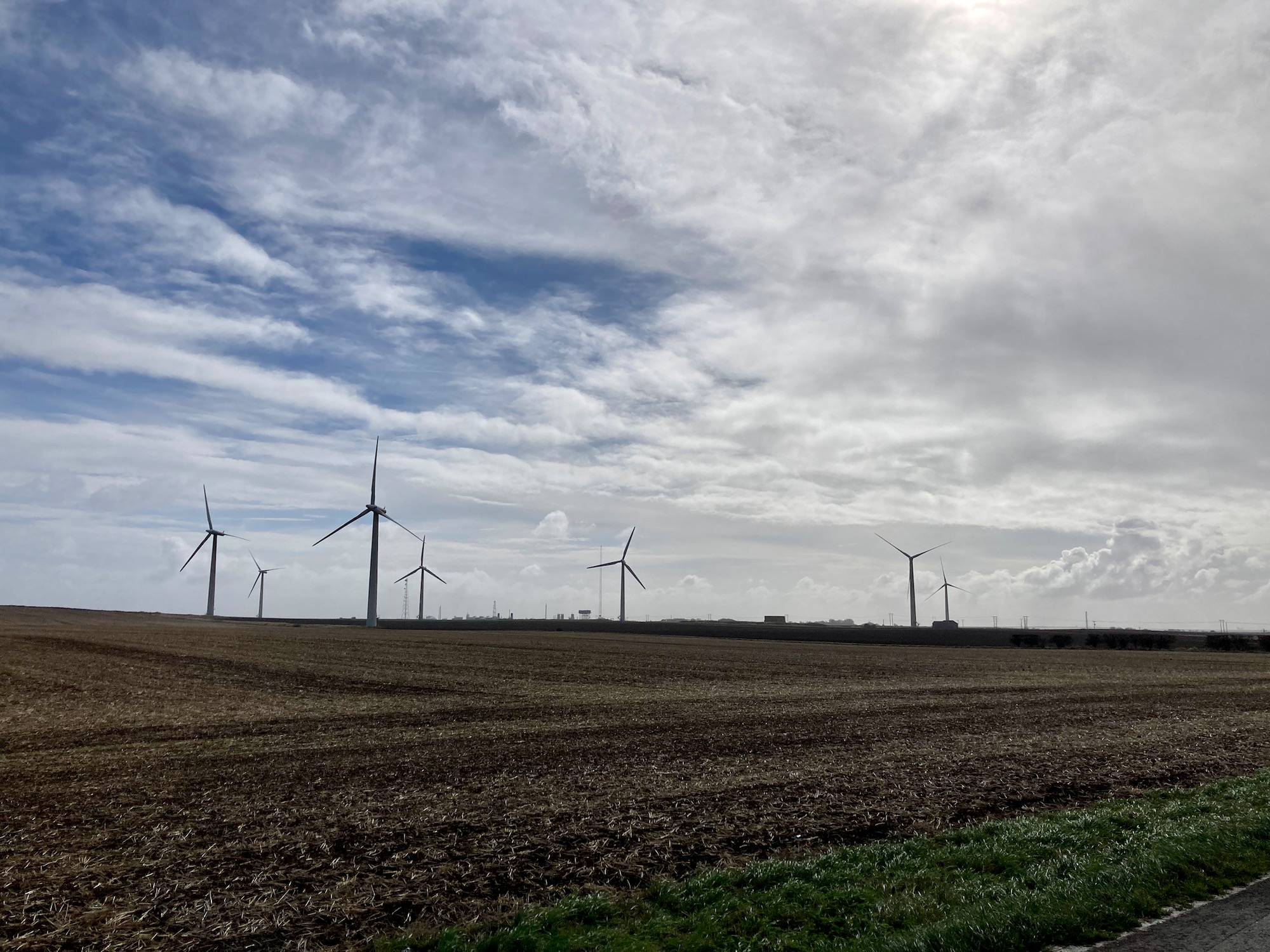
A little further down the road we turn left to head for the coast and work our way through the Out Newton wind farm. The change of direction now means we are being buffeted by the wind from the side and I find myself being blown into the brambles on the side of the road. It is very tiring and I can feel an unreasonable anger rising in me. My mother hated wind and now I can sympathise.
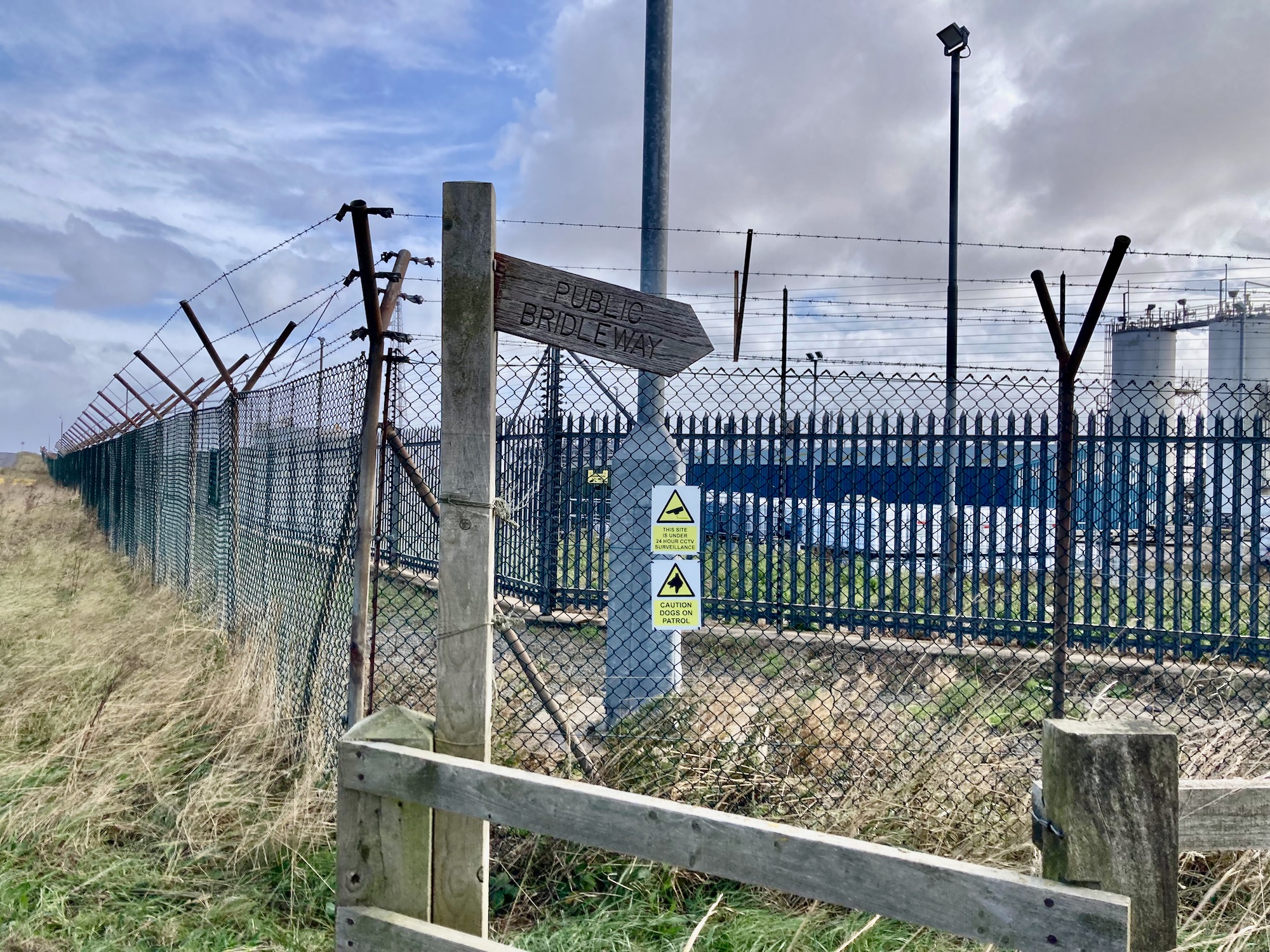
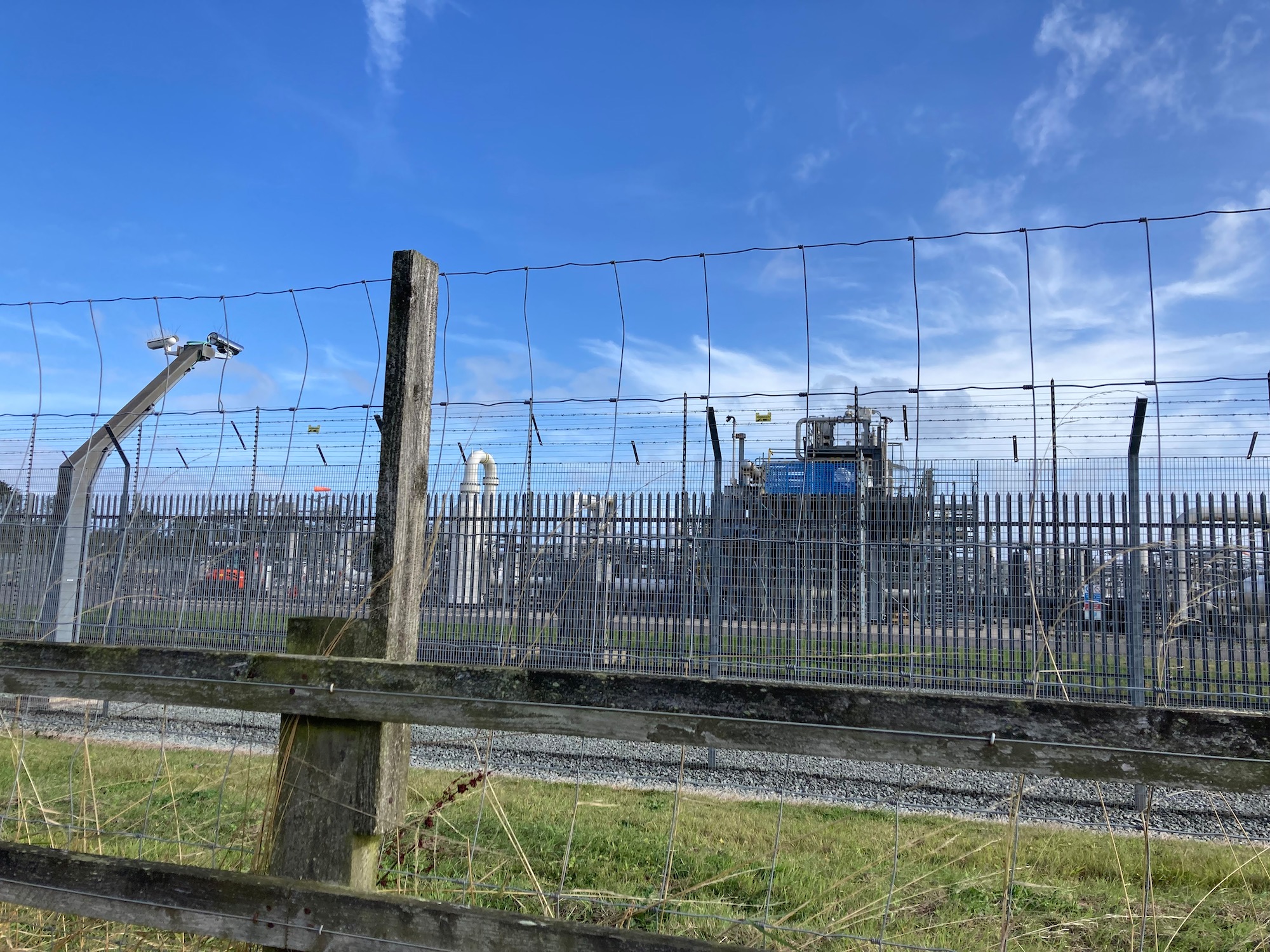
Fortunately we soon turn south again with the wind behind us (I will stop talking about the wind soon) and it is with relief that I see a footpath on the map which will steer us around the huge expanse of Easington Gas Terminal and take us on to the village. The terminal is a massive, heavily guarded affair . and there are close circuit cameras everywhere – we later discover that the site is protected by MoD police officers.
When we reach Easington our goal is to find a bench for lunch – we do so outside the community centre and although it is on the main road into the village we are so hungry we’ll take what’s on offer. Moving on past the church we walk for another two miles before we finally reach Kilnsea.


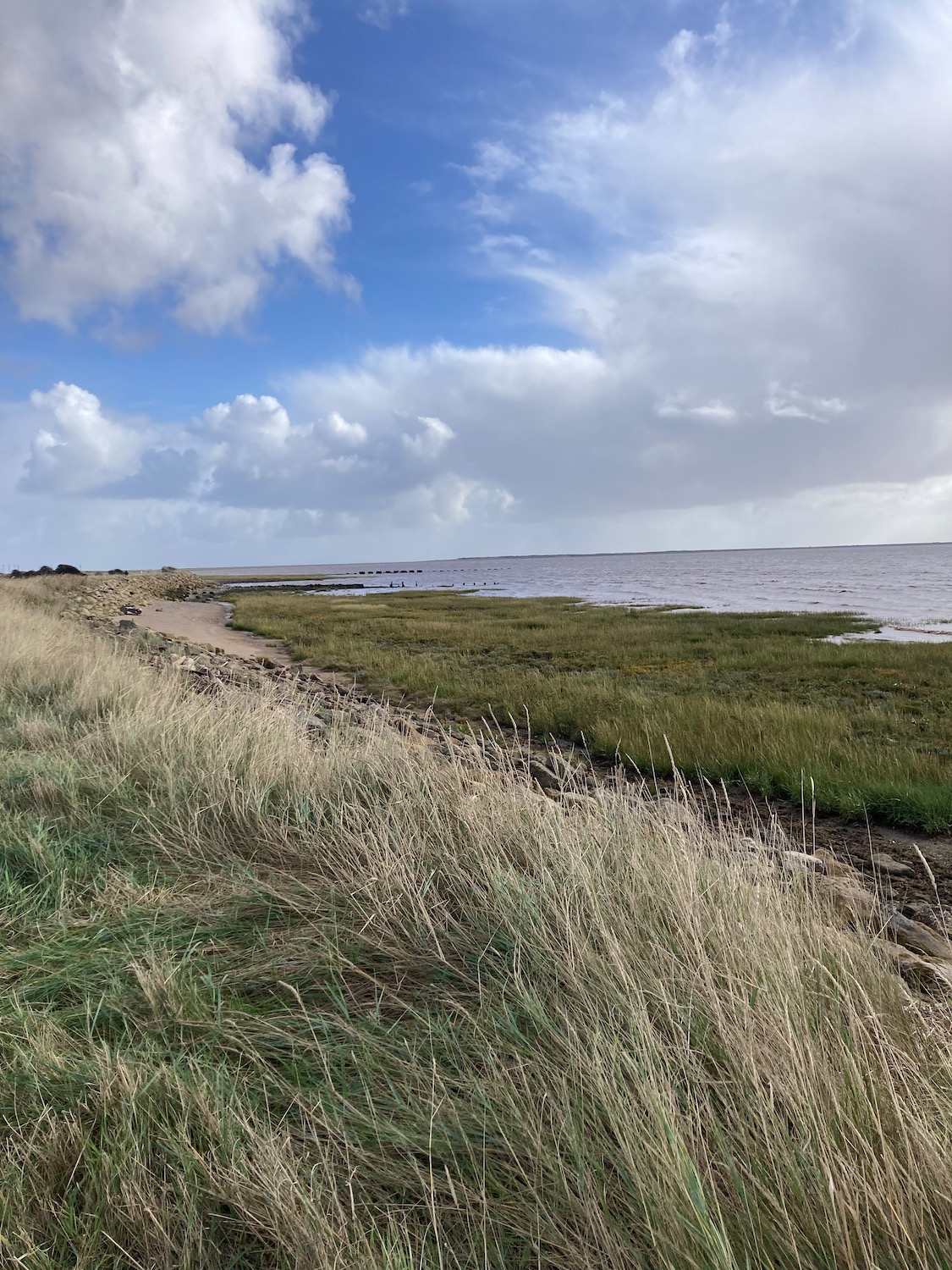
It is from Kilnsea that the three mile long spit known as Spurn Head stretches out into the North Sea. Three miles long, this tidal island used to have a road, a railway, two lighthouses and a lifeboat station. However, over the years, tidal surges have made all this infrastructure impossible – access to the furthest point is on foot only and only after consulting the tide times, as the narrowest part of the sandbank is flooded with each high tide. We will not be attempting the walk on this trip but will definitely come back in the Spring.

Walking past the only pub in the village, we discover that the visitor centre is another half mile up the road. Luckily, there is a footpath which follows the coast and we reach the cafe ten minutes before closing time.



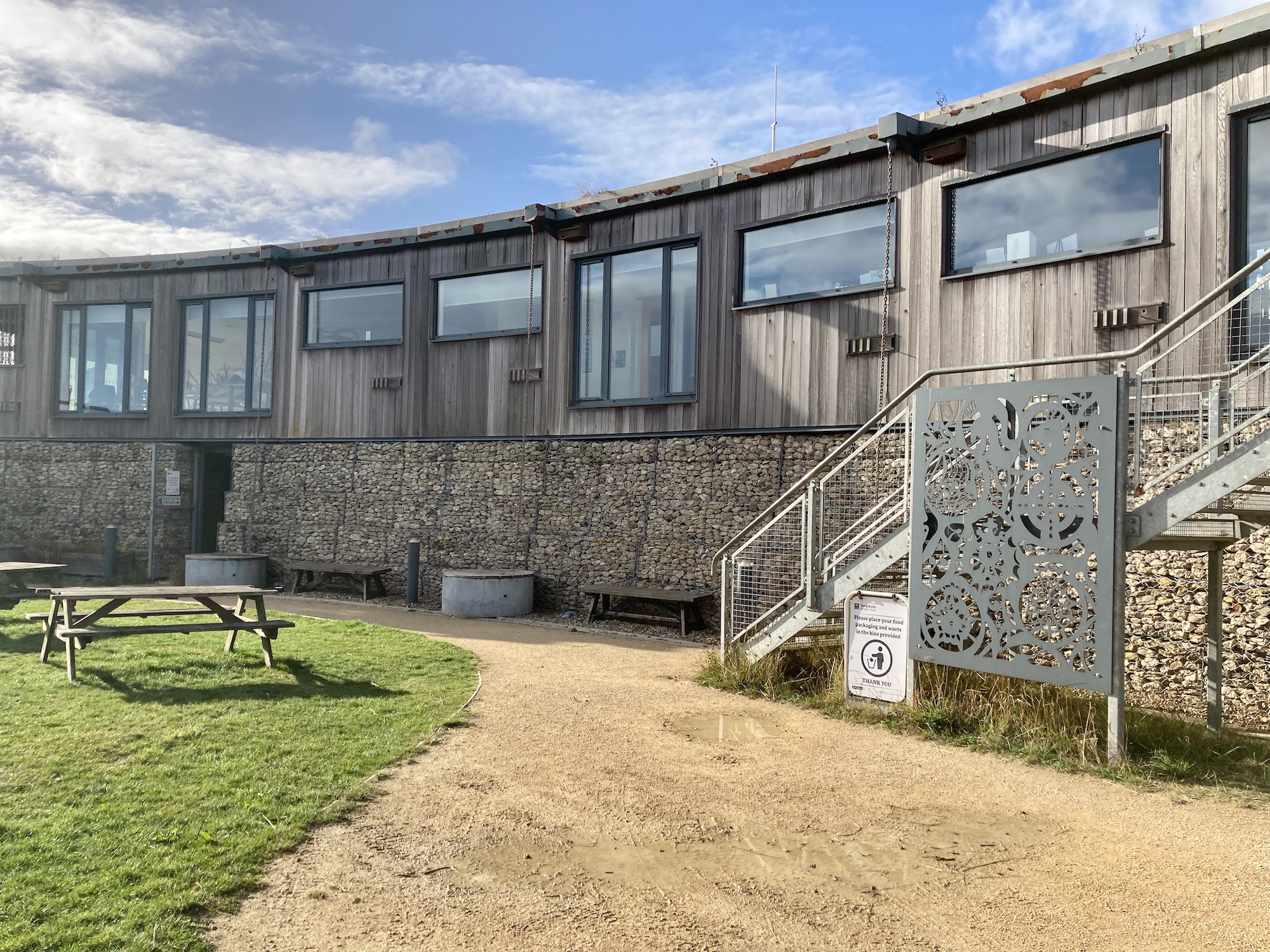
From afar the building looks somewhat dull but on closer inspection it has some lovely features like the decorative metalwork on the staircase, the grass roof and the caged stonework on which the wooden building perches, making the structure more flood resilient. It is also the place to go if you need information about the walks and the local area.

Distance: 10 miles
 Joining the Dots
Interesting pictures. Thanks. X
Yes Mum hated the wind when she developed angina. Those nuclear bunkers sound chilling. I think I must have been told about Spurn head in geography lessons it sounds familiar! xx
The visitor centre serves a great cooked breakfast. Spurn Head is one of the nicest parts of that coastline so glad to hear you will be back in the spring.